Guide · Informational preview
Dallas Historic District Roof Approval Guide
Before roof work on a Dallas historic property, check the exact address and district rules. Find the right review path. Show the roof as it is and the change you want. Get the needed approval before work starts. Historic review and a building permit are separate steps. A color match does not settle both. Nor does a roofer’s word alone.
Dallas Roofing Authority is an information-only preview. No local roofer or working request channel has been verified. This guide does not book work or send a roof request.
Start with the address, not the neighborhood name
An old home is not enough to tell you which city rules apply. Neither is a broad name such as Oak Cliff or East Dallas. Those names cover more than one area and type of property. Check the parcel for the house that will get the work.
The City of Dallas now points users to its Map Hub. It has address search and map layers for zoning and other limits. Its zoning resource page links to the hub and district information.[H1]
Save the address result and the date you checked it. Note the district type shown on the map. If a line crosses near the lot, do not guess which side controls. Ask city staff to confirm the parcel and applicable rules. Give them the full address. Show the map result that raised the question.
Tell historic and conservation review apart
Dallas uses historic districts to protect areas tied to the city's past. Conservation districts protect a defined area's character under their own rules. The city's FAQ shows different map labels and review paths for them. They should not be treated as the same approval.[H2]
A district ordinance is the local law for that district. Its design rules may affect your roof. Find the exact district name and number before you search for those rules. Save the file with its title and date.
Ask the city which office should review your planned work. If the answer is unclear, explain the roof change. Say whether you plan a repair, new covering, changed shape, or new roof feature. This gives staff a place to start. They can help you work through the rules.
Use the current historic application route
Does the site have Dallas Landmark status? Is it in a Landmark district? The city requires a Certificate of Appropriateness before outside work on those sites. This is often called a CA. Minor work may get staff review. Bigger changes may need Landmark Commission review. Both routes still need the CA first.[H3]
The current page directs CA applications through DallasNow. Use that page for the current process and calendar. Old forms and web pages may show old steps. Check any saved form or deadline before you use it.
Ask staff which route fits the proposed roof work. Do not label it routine yourself because the job seems small. Leave time for questions and changes. Then set a start date. A submitted application is still a request. Keep it distinct from an issued approval.
Read the rules for this roof
Dallas says each Landmark district has its own design rules in its ordinance. Use the rules for the exact district or landmark site. A roof choice approved at another address may not answer the question for yours.[H4]
Make a short list of the parts you want staff to review. Roof material, color, shape, visible edges, vents, and roof windows may be relevant to the proposal. List them as questions rather than assuming each is allowed or barred. Ask which pages or sections staff wants you to use.
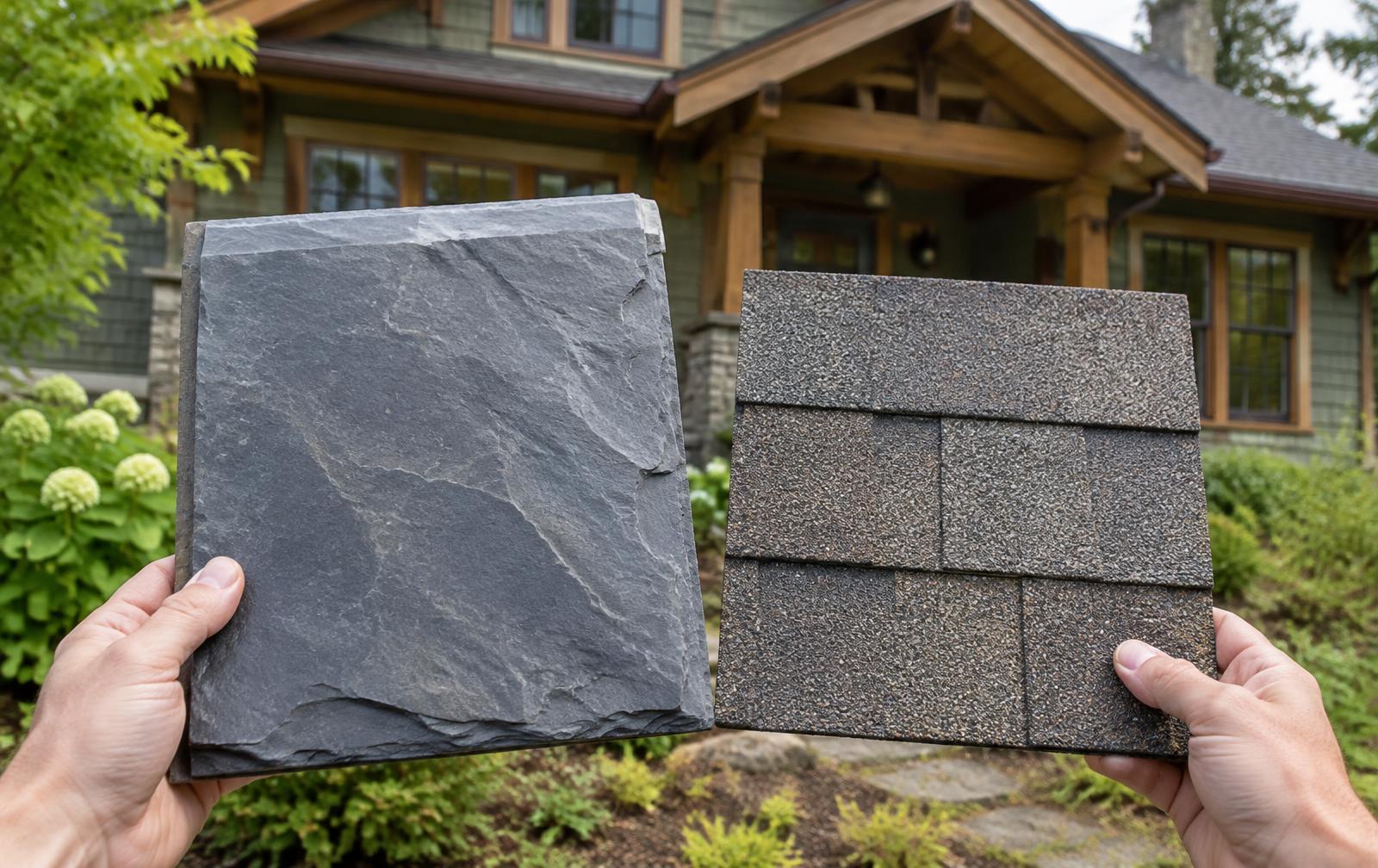
A rule may use a word you do not know. Ask staff what it means for your roof. A profile, for example, can refer to a material's shape. A product's color alone may not show that shape. Ask which view or sample would show the change.
Record the roof that is there now
Build a small photo set from safe places on the ground. Show the house and roof from each key side. Add closer views only when you can get them safely. Ask the roofer for roof-level photos if they are needed. Do not climb for an application photo.
Label each picture with the view and date. Note which part of the roof is shown. A front view can hide a rear wing or a porch roof. A simple roof sketch can help the reviewer follow those parts.
Describe the roof surface as it is now. If the type is unknown, say unknown. Ask a trained roofer to name it. Keep old photos or past approvals if you have them. A later roof layer may not prove what was there when the house was first built. Keep evidence and guesses separate.
Describe the proposed roof with equal care
Make the proposed work easy to compare with the existing roof. State which parts will stay, which will be repaired, and which will be removed. If the roof shape will stay the same, say so. If a detail will change, point it out.
List the new brand, product line, color, and type. Include clear product images or samples as the current city checklist asks. Do not rely on a sales name that could cover several products. Ask the roofer for the right data sheet.
Give changed details their own notes. Show each new vent, edge trim, skylight, or panel. Do not hide them in a broad roof-work line. Use the same names in the bid and the review packet. That helps prevent one roof being approved while a different roof is ordered.
Check repair options without hiding the problem
Ask the roofer to explain why the proposed work is needed. A roof report can show the damage and ways to fix it. Keep it factual. Label each close-up with its place on the roof. State the issue it shows.
If a repair is proposed, ask what will match and what may look different. If replacement is proposed, ask why a narrower repair will not meet the need. The city makes the applicable review decision. The roofer should give the city clear roof facts.
Avoid broad claims such as the whole roof is beyond repair without a clear basis. An older roof can have a real fault. Ask how to fix it within the rules. Put the roof condition and the design rules in the same conversation. Let the right people resolve the specific issue.
Keep building permits on a separate checklist
A CA does not replace a building permit. Dallas says a required building permit must be obtained as a separate step. Ask about both before work. Track each record by its own number and status.[H5]
The city's current code page lists the 2021 building and residential codes with Dallas amendments. Amendments are local changes to those codes. The right code path depends on the building and work. Do not apply a nearby city's rule just because the address has a Dallas mailing label.[H6]
Ask who will file each request and who will check the result. Name who will keep the records. Ask what inspections apply and who arranges them. This guide is a planning aid. City staff must confirm the rules. Have your roofer and design team review the roof needs too.
Plan a realistic start gate
Some goods cannot be returned. Before you order them, check the status with the roofer. Is the proposed material approved? Are there conditions attached? Is a required permit still pending? Write the answers down. An open condition can affect what may be bought or installed.
Ask the roofer to hold work until the needed approvals are in place. Do not make the crew's schedule the reason to skip a review step. If the date changes, agree how the stored goods and site will be managed.
Use a simple start checklist. It should name the approved scope, the final product, the review record, and any required permit. Add who has checked each item. Leave unresolved rows open. A checklist only works if a blank means stop and ask rather than assume it is fine.
Handle a change before the crew uses it
A product may arrive late. A hidden roof fault may change the plan. Ask the roofer to flag those issues before it changes the approved design. Send the proposed change to the city contact for guidance on any further review.
Do not assume a substitute is approved because it is close in color. Its shape, surface, or details may differ. Show the first choice beside the new option. Ask for written direction before relying on the change.
If work has already started outside the approved scope, contact the city promptly. If you receive a stop-work notice, follow it and contact the named city staff. Do not try to solve the issue by covering up the work. Keep a clear record of the issue and the steps agreed to resolve it.
Make urgent weather protection a separate question
A leak can make an owner feel rushed. Tell the city and roofer what is happening now. Ask which temporary steps can protect the building and how to handle the review. Do not read urgency as a broad exemption from district rules.
Keep people away from unsafe rooms, sagging wet ceilings, and electrical hazards. Seek appropriate urgent help when needed. Roof access and temporary covers are work for people equipped to do it safely. A do-it-yourself climb can add another problem.
Keep short-term work in its own log. Do not mix it with the final roof scope. Note who did it, when, and what they used. Keep photos from safe places. Ask how the crew will remove the short-term cover. Ask how it fits the final job. This avoids treating a short-term measure as the final design by default.
Save a packet that can be used later
At the end, get the approved scope and its limits. Add permit records and the final product list. Ask for photos showing the finished work. Add any approved changes made during the project. Keep these papers with the home’s roof and district files.
If you later sell the home, these papers can help explain what was done. They may also help a future roofer plan a repair. Do not describe a roof as city approved based only on an application receipt. Label pending and final records clearly.
Use our roof closeout guide for the broader handoff list. Use the bid guide to make review duties part of the scope. If solar panels are part of the plan, use the solar roof guide as well. That work needs its own coordination before the final roof details are set.
Take one useful step today
Look up the address and save the result. Describe the roof as it is now. State what needs work. Then say what you want to change. Add a few clear ground-level photos. This is a useful start for a city question or a roofer visit.
You do not need to choose a color before you know the rules. You need a clear path from this roof to an approved scope. Start with the property, ask the right city office, and keep the answers with the job. That gives your roof plan a sound basis. You can then review costs and work dates.
Common questions
- Is every old house in Oak Cliff in a historic district?
- No. A broad neighborhood name does not settle a parcel’s status. Check the exact address in the city’s current map tools. If the result is unclear, ask Dallas staff to confirm it before you rely on a district rule.
- Does a same-color reroof skip historic review?
- Do not assume that. Ask staff about the full scope and exact products. The city requires a CA before outside work at these sites. That includes work handled through routine staff review. Color is only one part of what you are proposing.
- Can I use an old approval found in the house papers?
- Use it as background, then ask whether it still applies. Check the address, scope, date, and any conditions. Do not treat an older roof approval as permission for a new or changed job. Keep the city’s answer with the old record.
- What if my home is in a conservation district instead?
- Use the city’s conservation district route and the rules for that district. Ask which work-review steps apply to your roof plan. Do not submit the historic form merely because the neighborhood has older homes. The review types serve different rules.
Next step
Use the page checklist to prepare your next step. No request is sent and no work is booked in this preview.
Start with your district check(opens official site in a new tab)Sources
- [H1] Dallas Zoning Resources
- [H2] Dallas Building Inspection FAQs
- [H3] Dallas Historic Preservation Applications
- [H4] Dallas Landmark Districts
- [H5] Dallas Historic Preservation FAQ
- [H6] Dallas Current City Codes
- [H7] Dallas Conservation Districts
Sources checked October 5, 2026. Confirm current rules with the city before work starts.