Homeowners · For homeowners
Home Roof Inspections in Dallas: What a Good Report Shows
Quick answer
A home roof inspection gives you facts before you spend money. A good one checks the roof, the edges, the attic, and the gutters, and gives you photos for each finding. Get one before you buy a home, after a big storm, or when your roof is getting old. Many free inspections come from companies that also sell roofs, so ask for photos and a second opinion on big findings.
What this page covers
This page explains what a home roof inspection is, when to get one, and how to read the report.
If you already know you have damage, see our home roof repair page. If you think hail hit your roof, see our hail damage page. If you want a step-by-step look at any roof inspection, see our guide on what happens during an inspection.
What an inspection is for
An inspection is a careful check of your roof. The goal is to learn its condition, not to sell you something.
A good report tells you what is fine, what needs fixing now, and what to watch. It helps you plan. It also helps you avoid paying for work you do not need.
When to get one
Here are common times to get a roof inspection:
- Before you buy a home
- Before you sell a home, so there are no surprises
- After a hail or wind storm
- When your roof is past the middle of its life
- When you see stains, drips, or shingles in the yard
- Once a year, as a habit
The National Weather Service says spring is the peak storm season in North Texas. A check before spring gives you a record of how your roof looked before storms.
A roof check is not a home inspection
When you buy a home, a home inspector checks the whole house. They may look at the roof, but often from the ground or a ladder.
A roofing inspection goes deeper. It focuses only on the roof system. That includes the shingles, metal seals, vents, edges, and attic.
If the home inspector flags the roof, it is smart to get a roofing check too.
What a good inspection looks at
A careful inspection covers these parts:
- Shingles: cracks, curls, missing pieces, and bare spots
- Granules: the tiny stones on shingles, and whether many have washed off
- Flashing: metal seals at walls, chimneys, and skylights
- Pipe boots: collars around plumbing pipes
- Valleys: the low lines where two slopes meet
- Gutters and the metal strip at the edge, called drip edge
- Vents: air flow at the top and the low edges
- Attic: stains, wet wood, daylight, and insulation
- Signs of hail or wind damage
The attic tells a story
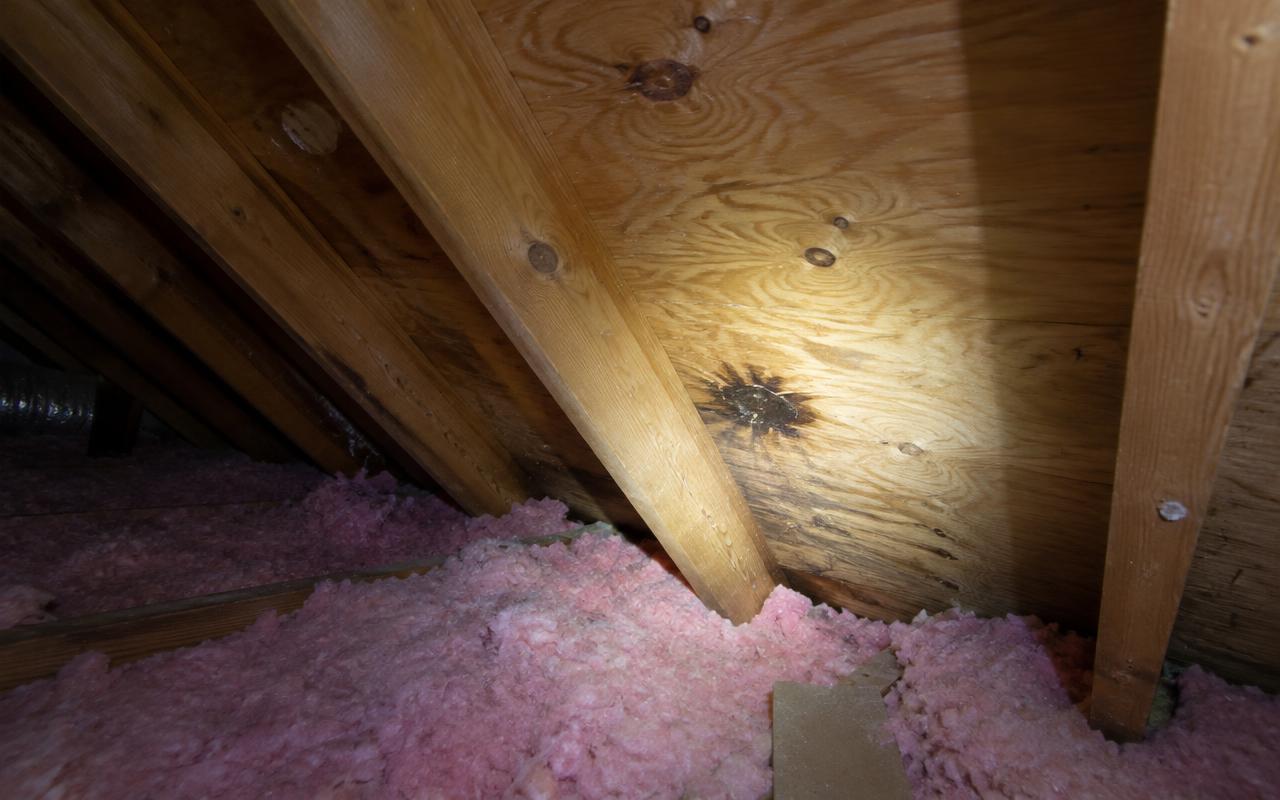
The attic is one of the best places to learn about a roof. Stains on the wood can show where water got in, but a stain alone does not prove the wood is weak.
Dry, old stains may be from a past leak that was fixed. Dark, soft, or wet stains are newer.
A very hot attic can mean poor air flow. Poor air flow can make shingles age faster. A good inspector will mention it.
What the report should include
A useful report is clear and easy to act on:
- A photo for each finding
- Where each finding is on the roof
- Which items are urgent and which can wait
- What the inspector thinks caused each problem
- A rough idea of how much life the roof has left, with reasons
If a report just says pass or fail, ask for more details and photos.
Be careful with free inspections
Many roofing companies offer free inspections. That is normal. But it means the person checking your roof may also want to sell you a roof.
This does not mean they are dishonest. It means you should ask for proof. Ask for clear photos of each problem. If they say you need a new roof, get a second opinion.
If a company pushes you to sign that same day, slow down. A real problem will still be there tomorrow.
Storms and insurance
After a storm, many people get an inspection to see if they should file a claim. An inspection can help with photos and facts.
The Texas Department of Insurance says a roofer working on your home cannot act as your public adjuster. They also cannot pay or waive your deductible. Your insurance company decides what is covered.
Stay safe while you wait
Do not climb on your roof to look for yourself. Roofs are steep and slick, and falls cause serious injuries.
You can do a safe ground check. Look for missing shingles, piles of granules at the downspouts, and dents on gutters or vents. Take photos with your phone's zoom.
How often to inspect
Many homeowners check once a year and after big storms. An older roof may need checks more often.
Keep each report in a folder. Over time you will see how your roof changes. That helps you plan for a new roof before it becomes an emergency.
What drives the cost
Some inspections are free and some cost money. Paid inspections may be more detailed or come from someone who does not sell roofs.
These things can change the price:
- Roof size and how steep it is
- Whether the inspector goes into the attic
- How detailed the report is
- Whether a drone or special tools are used
Questions to ask an inspector
- Will you go into the attic, or only look at the roof?
- Will each finding have a photo?
- Which items are urgent, and which can wait?
- Do you also sell roofing work?
- How do you tell storm damage from normal wear?
- Can I keep a copy of the report and photos?
Good inspectors answer these questions easily.
Inspections when buying a home
If you are buying a home, the roof is one of the costliest parts to replace. A roofing check before you close can help you make a smart offer.
Ask the inspector for a clear report you can share with your agent. If the roof needs work, you may be able to ask the seller to fix it or lower the price. If the roof is in good shape, the report gives you peace of mind.
Try to schedule the roof check early in your option period. That gives you time to get a second opinion or a repair quote if needed.
Inspections when selling a home
If you are selling, a roof check before you list can prevent surprises. Buyers often ask about the roof.
If the report finds small problems, you can fix them before you list. If the roof is older, you will know what to expect when buyers ask. Having a recent report can also help buyers feel more sure.
Signs of wear by roof age
Roofs age in stages. Knowing the stage helps you plan.
A newer roof should look even, with shingles lying flat and few loose granules. Problems on a new roof are often from how it was put on, so check your work warranty.
A roof in its middle years may show some granule loss and a few worn spots. This is a good time for regular checks and small repairs.
An older roof may show curling, cracking, bare spots, and repeat leaks. This is when you should start planning for a new roof, before a big leak forces the timing.
Other roof types
Tile, slate, and metal roofs need inspectors who know those materials. Tile and slate can crack when walked on, so ask how the inspector will move across the roof.
On tile roofs, the layer under the tiles often wears out before the tiles do. A good inspector looks for signs of that hidden layer failing.
Ventilation checks
Air flow in the attic affects how long shingles last. A good inspector checks that air comes in low, near the soffits, and goes out high, near the ridge.
Blocked soffit vents are common, especially when insulation is pushed too far toward the edges. A bath fan that blows into the attic can also cause wet wood. These are small fixes that can help your roof last.
Gutters and drainage
A good inspection also looks at how water leaves your roof. Gutters should be clear, firmly attached, and sloped toward the downspouts.
Downspouts should send water away from the house, not into a flower bed next to the wall. Water that pools near the house can cause problems with the foundation. That is not a roof issue, but a good inspector may mention it.
What a good inspector will not do
A good inspector will not tell you that you need a new roof without showing you why. They will not ask you to sign over your insurance claim. They will not rush you.
If an inspector damages shingles to make them look worse, or will not let you see their photos, find someone else. Honest inspectors want you to understand what they found, and they are fine with you getting a second opinion before you decide anything.
Keep your own photos too
Even with a report, take your own photos from the ground once a year. Stand in the same spots each time. Over the years, you will see changes, like fading, missing shingles, or sagging lines, that are easy to miss day to day.
What the report says and what to do
| Report finding | What to do |
|---|---|
| A few small items, roof in good shape | Fix the small items and check yearly |
| Wet or soft wood in the attic | Find the leak soon |
| Hail hits on many sides | Review your policy and get a second look |
| Very hot attic and curling shingles | Ask about better air flow |
| Pass or fail with no photos | Ask for photos and details |
Common questions
- How long does an inspection take?
- Many home inspections take under an hour. Large or steep roofs can take longer.
- Do I need to be home?
- It helps if the inspector needs to get into the attic. Ask ahead of time.
- Can a drone do the whole job?
- A drone can take helpful photos. A close look and an attic check still find things a drone can miss.
- Can I get the photos?
- You should. Ask for the full report and photos in writing before the visit.
- What if two inspectors disagree?
- It happens. Ask each one to show photos and explain their reasons. Look at whether they checked the attic and every side of the roof. If the gap is big, a third opinion from someone who does not sell roofs can help you decide what to do next.
- What does granule loss mean in a report?
- Granules are the tiny stones on top of shingles. Some loss is normal with age. Heavy loss, bare black spots, or round patches after a storm can mean the shingles are wearing out or were hit by hail.
- Is it normal to see a little light in the attic?
- Light at vents near the ridge or edges can be normal, since those openings let air move. Light through the roof boards or around nails is not normal and can mean a gap where water could get in.
What happens if you send a request here
This site is a preview. The request form is not connected, so nothing you type is saved or sent. No local roofing partner is confirmed yet, so we cannot promise a visit, a price, or a time. If anyone is in danger, call 911. How this site works.
Sources
- National Weather Service Fort Worth — DFW climate narrative
- Texas Department of Insurance — Roofing and insurance: know the law
- GAF — Should you repair or replace your roof?
Sources checked October 5, 2026. Confirm current rules before acting.