Guide · Informational preview
How to Plan a Reroof on an Occupied Building
Plan the reroof around the people who use the building. Map work zones, doors, air intakes, noise needs, and delivery routes. Agree on daily weather protection and one clear contact plan. Some work may require rooms or parts of the site to close. No plan should promise normal use through every stage.
Dallas Roofing Authority is an information-only preview. No local roofer or working request channel has been verified. This guide does not book work or send a roof request.
Start with how the building is used
Walk through the building's daily life with the roofer. Note opening hours and busy times. Mark rooms where noise, dust, or odors could cause a problem. Ask the people who use them what the team needs to know. A plan based only on roof size can miss key needs below.
List fixed events such as a test, shift change, or large delivery. Note rooms that run all night. Include tenants whose schedules differ from the main office. Keep personal health details private. Share the work limits the team needs to plan around.
Name one building lead and one roofing lead. Give each a backup contact. Their first task is to agree on the facts. Then flag where roof work and building use conflict. Do not wait for the first loud morning to have that talk.
Worked example
Make one site map everyone can read
Use a simple plan of the roof and ground. Label the work areas by names people already use. Show the main doors, loading points, walkways, parking, and emergency access. Mark which doors serve which rooms or tenants.
Add the planned bin, lift, and storage zones. Ask the roofer to confirm its work zones and limits. Have the building team check the map against actual daily use. A clear map makes it easier to spot a blocked route before a truck arrives.
Date each version and share the current one. When a zone moves, update the plan. Do not leave old copies posted beside the new one without marking them out of date. The map is a shared planning tool. It does not replace the roofer's safety plan or a required site review.
Keep entrances and exit paths in the plan
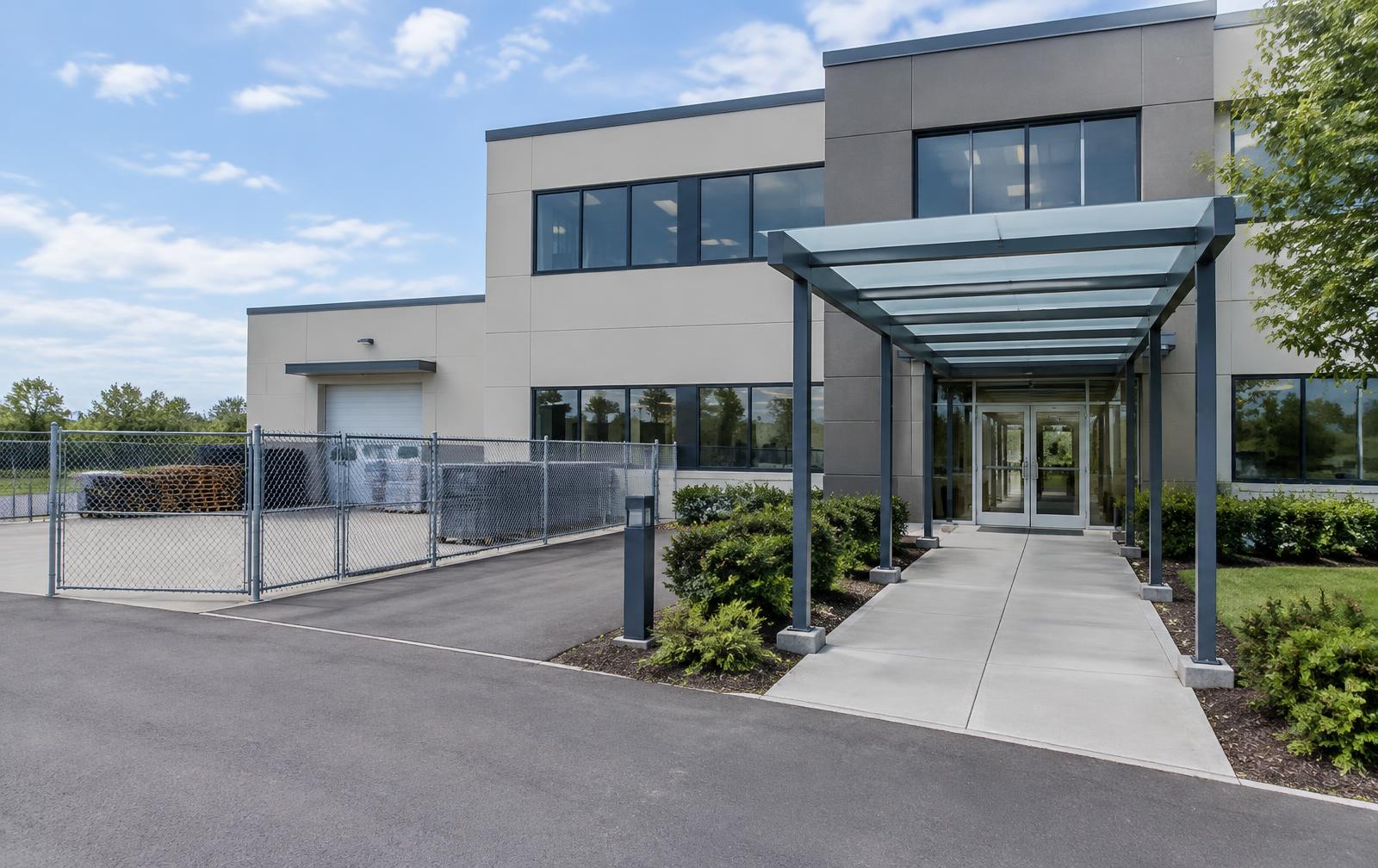
Ask how each entrance will work during the job. Will it stay open, need protection, or close for part of the day? Have the responsible team review the safe path. Do not assume a strip of tape is enough to protect people from overhead work.
OSHA’s reroofing guide covers falling debris and closed work zones. It places worker safety duties on employers. Its cited fact sheet concerns residential reroofing. It warns of these hazards. A commercial site still needs its own full safety plan.[O1]
Ask the staff in charge to review emergency and accessible routes. Put any needed changes through the proper review. Keep signs clear for visitors who have never seen the site. Tell the team who will check the routes each day and report a problem right away.
Schedule truck and material movements
Agree where trucks can enter, turn, wait, and leave. Check the times when people cross those paths. A shared delivery lane can become crowded when tenants and roof crews use it at once. Set a contact for drivers who arrive off schedule.
Ask the roofer how goods will reach the roof. Ask who controls the ground area during a lift. Keep building staff out of the crew's work zone. The roofer should direct its own trained team and equipment. Owners should not try to guide lifts from a checklist.
Plan for waste removal too. Ask where waste will go. How often will bins move? Note doors or air intakes near those zones. A zone may block normal use. Review a new plan before work starts. Keep fire access and other required paths clear under the approved site plan.
Set noise windows tied to real work
Ask which stages will make the most noise. Removal, fastening, and equipment moves may have different effects. Ask which roof zones will be worked on each day. A general note that roofing is noisy is not enough for a tenant to plan around.
Choose quiet windows for the needs that truly matter. Tell the roofer about them before setting the work plan. Ask whether the proposed schedule can meet those needs. If it cannot, review your choices. You may need to move the event or close a room. You may need a new work sequence.
Do not promise silence in a room below active roof work. Share honest expectations. Make a plan for a noise complaint during the job. Name who can pause the affected task while the team reviews the concern. Record each agreed change. The next shift needs clear directions.
Review air intakes and odor-sensitive work
An air intake draws outside air into the building. Mark the intakes near roof work and storage zones. Ask the building's qualified mechanical staff to join this part of the review. Do not let an unplanned change to the air system create a new problem.
GAF notes that some roof adhesives can cause odor concerns in occupied buildings. An adhesive is a bonding product. The source discusses lower-odor options, but the right product still depends on the roof system. No single product choice settles all indoor-air concerns.[O2]
Ask for the planned product names and safety data sheets. These sheets describe product hazards and handling guidance. Have the right experts review the work method. They must check it against the air system and building use. Do not block an intake or switch off a system on your own. Agree on any needed controls before that work phase begins.
Plan for rooms with special needs
A clinic, kitchen, lab, classroom, or server room may need more review. Ask the lead for each space to state its work limits. Give the roofer a clear brief on how each room is used. It does not need private records about the people who use the room.
Ask what would trigger a pause or a move. It may be a strong odor, a new leak, or work that affects a required exit. Ask the right safety or site lead to set the response. This guide cannot set safe exposure levels. It cannot certify that a room is safe to use.
If the team cannot maintain safe use, plan a closure or relocation. Put that decision in the schedule. Tell affected people early through the building's normal channels. Plan for those breaks in use. Avoid a promise that all rooms can stay open.
Define the daily weather-protection handoff
Ask the roofer how it will limit the area opened each day. Ask how that area will be protected if weather changes. The crew must choose methods suited to the roof and conditions. The owner needs to know who is responsible and how to report a concern.
Set a daily check-in before crews leave. Ask which roof zones were worked on. Do any limits remain? Record the after-hours contact and next planned step. A brief written log can help the night staff understand the state of the job.
Avoid a blanket promise that temporary protection cannot leak. Ask instead about the response plan if it fails. Name rooms that may need checks. Assign those checks to approved building staff. Keep people away from unsafe ceilings or wet electrical equipment. Call the right emergency help for an urgent hazard.
Protect the spaces below the roof
Before work, list items that must stay dry and clean. Ask how those areas should be prepared. Move or protect contents through the building's own approved process. Do not ask roof workers to handle equipment outside their scope without a clear agreement.
Record existing indoor stains or damage from safe places. Label the room and date. This gives the team a shared baseline if a new concern appears. Keep the record factual. A photo of an old stain does not prove that the source is fixed.
Ask if crews need ceiling access. Who can grant it? Plan keys, escorts, and work hours before crews arrive. Keep secure areas under the building's normal access controls. Roofing work is not a reason to share badges or leave restricted doors open without approval.
Send notices people can act on
A useful notice says where the work is, when it is planned, and what people should do. Name affected doors or parking spaces. Explain expected noise or odor periods without promising exact conditions. Give a checked contact for building access questions.
Send the notice through the channels people use. Tenants, front desk staff, night crews, and vendors may need different routes. Ask each tenant's point of contact to confirm receipt when a change matters. A sign in an empty lobby may not reach an early delivery driver.
Update the notice when plans change. Say what changed and which earlier instruction is replaced. Avoid sending the entire history each time. Keep one current notice at the entrance or shared staff location. Do not post personal phone numbers or private occupant details without the appropriate permission.
Use a daily issue log
Keep one short log for problems raised during work. Record the time, place, observed issue, person notified, and next step. Describe what was seen or smelled without guessing the cause. Let the appropriate team investigate it.
Use clear status words such as reported, reviewed, action planned, and closed. Name who can close each issue. A reply that says someone will look does not show that the concern was resolved. Keep the log available to the people who need it, with personal details limited.
At the daily check-in, review new issues and tomorrow's work zones. Include the building team if a change affects access or use. A safety concern may stay open. Pause the task through the agreed process. Do not carry it into the next shift with no owner or response plan.
Agree on restart and final closeout
When a phase ends, ask what must be checked before an area reopens. Ask the teams in charge to check their work zones. Can the access limits now be removed? Do not treat a quiet roof as proof that the ground area is ready for normal use.
Check paths, waste zones, and changed doors with the site leads. Record any open damage or cleanup issue. Tell tenants which areas are back in use and which remain restricted. Take down old notices when they no longer apply.
Keep the final roof records with the operational log. Our closeout guide lists the main owner documents. The bid guide can help make these duties part of the scope from the start. Roof-mounted solar may affect access or work order. Read the solar planning guide before setting roof dates.
Prepare your first planning meeting
Bring a building-use map, a list of fixed events, and the names of key contacts. Ask the roofer to bring the proposed work sequence and site needs. Start with the conflicts that could stop safe use. Resolve those before discussing small conveniences.
Leave the meeting with a named owner for each open question. Set the next check based on the work plan. Keep dates provisional where review is still needed. Set a sound plan for people, the building, and roof work. Know what to do when plans change.
Common questions
- Can tenants always stay during roof replacement?
- That cannot be promised for every building or work phase. The answer depends on access, hazards, air concerns, and how the rooms are used. Have the responsible teams review those factors. Plan temporary closures or moves where safe use cannot be maintained.
- Who should answer tenant questions about the job?
- Name a building contact who knows the current work plan. That person can collect concerns and route roof questions to the roofing lead. Give the contact a backup. This avoids different staff giving tenants conflicting dates or access directions.
- Should I shut off rooftop air units during adhesive work?
- Do not make that change on your own. Ask qualified mechanical staff and the project team to review the products, intake locations, and building needs. They must choose appropriate controls. A generic roof guide cannot decide how your air system should run.
- What belongs in an after-hours plan?
- State the roof work status and zones to avoid. Add a checked project contact. Include the building’s normal emergency process. State who may check indoor areas safely. Do not ask night staff to climb onto the roof. Keep them out of spaces with clear hazards.
Next step
Use the page checklist to prepare your next step. No request is sent and no work is booked in this preview.
Map your building work plan(opens official site in a new tab)Sources
- [O1] OSHA: Reducing Falls During Residential Re-Roofing
- [O2] GAF: Single-Ply Roofing Attachment Methods
Sources checked October 5, 2026. Confirm current rules with the city before work starts.